

RESOURCES FOR THE R3 PROFESSIONAL

Actionable Strategies for Angler Recruitment, Retention, and Reactivation
The purpose of this project is to determine how fishing in the U.S. can stay relevant in a changing society. In 2016 (the year of the most recent National Survey of Fishing, Hunting, and Wildlife-Associated Recreation [hereinafter referred to as the National Survey] measuring nationwide fishing participation), 35.8 million Americans 16 years old and older went fishing. Because many people fish in one year but not in another, an even greater number of Americans participate over a 5-year period. Overall, fishing participation in the U.S. has increased since 1955, the first year the U.S. Fish and Wildlife Service and the U.S. Census Bureau conducted the National Survey, when 14.8 million Americans fished. The increase in participation was not steady, however. A decline in fishing participation began in 1991 and continued until 2006, after which participation in fishing once again began to increase…

Americans’ Attitudes Towards Legal, Regulated Fishing, Target/Sport Shooting, Hunting, and Trapping
This study was conducted by Responsive Management and the Outdoor Stewards of Conservation Foundation, Inc., to measure Americans’ attitudes toward legal, regulated fishing, sport shooting, hunting, and trapping. The study also examines how approval of legal, regulated fishing, hunting, and trapping varies by motivation, species, and method. Identifying the trends in these attitudes is important for developing, managing, and assessing recruitment, retention, and reactivation (R3) programs for these activities in the continually changing social and political climates of the U.S. The purpose of this study is to proactively track these trends and to accurately update our understanding of Americans’ current attitudes and how they impact R3 efforts. This study entailed a scientific, probability-based multi-modal survey of U.S. residents aged 18 and older. Data from the survey were weighted to ensure that the results were representative of adult Americans as a whole…

Exploring the R3 Needs and Opportunities of Female Hunters, Sport Shooters, and Archers: Report and Presentation
This research explored female participation in hunting, sport shooting, and archery: their needs, interests, preferences, and constraints. Building on the Outdoor Recreation Adoption Model as it relates to women, the project will help determine how to retain female participants by providing the preferred next steps depending on where they are in the Model. In this way, the results can be used to help recruit more female hunters, sport shooters, and archers, as well as to reduce churn…

Firearm Ownership and Sport Shooting Participation in the United States 2009-2022
Responsive Management conducts an ongoing trend survey for the National Shooting Sports Foundation to measure participation in target and sport shooting, as well as the characteristics and demographics of sport shooters. The survey has been conducted biennially since 2009, allowing for an examination of participation trends…
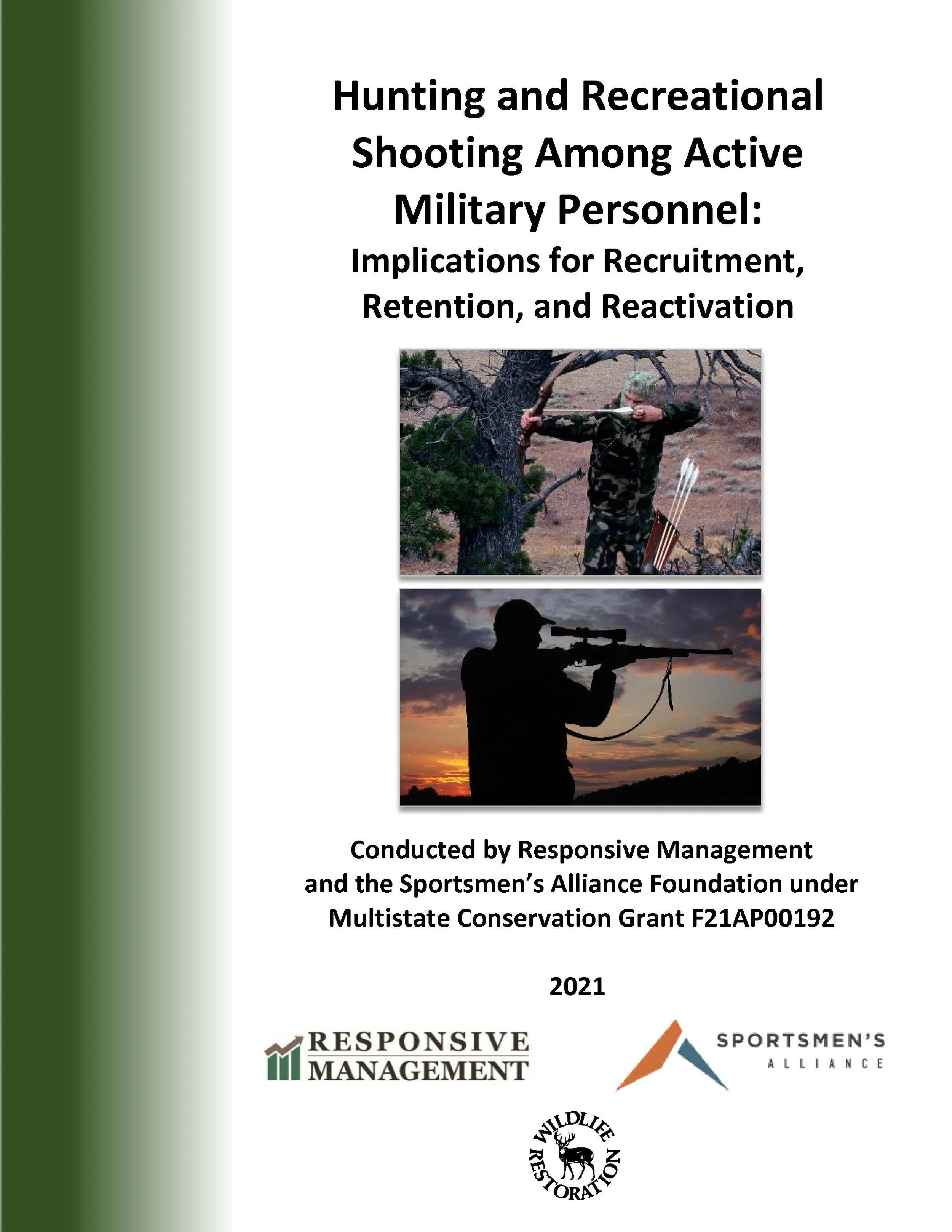
Hunting and Recreational Shooting Among Active Military Personnel
Approximately 1.4 million people are on active duty in American armed forces, with another 0.4 million in the National Guard. This substantial segment of the population is trained proficiently with firearms, and many are already accustomed to the outdoors, making them a good target audience for hunting and sport shooting recruitment, retention, and reactivation (R3). Despite this potential, there is little information on these individuals that reveal their attitudes and proclivities toward hunting and recreational shooting. This project is perhaps the first comprehensive study of military personnel on hunting and sport shooting and how to best reach them with R3 efforts.…

Non-Hunting Sport Shooters’ and Firearm Owners’ Attitudes Towards the Federal Aid in Wildlife Restoration Program: Report and Presentation
This project was conducted by the Southeastern Association of Fish and Wildlife Agencies (SEAFWA) and Responsive Management under Multistate Conservation Grant F23AP00486 to better understand the attitudes and knowledge levels of non-hunting sport shooters and firearm owners regarding the Federal Aid in Wildlife Restoration Program. Specifically, the project was undertaken to determine what non-hunting sport shooters and firearms owners think and know about the wildlife conservation efforts and other work carried out by state fish and wildlife agencies that are funded through the Federal Aid in Wildlife Restoration Program. A further objective of the study was to identify effective messaging strategies and themes to increase non-hunting sport shooters’ and firearm owners’ awareness of and support for the Federal Aid in Wildlife Restoration Program and the associated work of the agencies…

Hunting, Fishing, Sport Shooting, and Archery Recruitment, Retention, and Reactivation: A Practitioner’s Guide
This handbook was created to summarize in a single volume the most essential and up-to-date research pertaining to hunting, fishing, sport shooting, and archery recruitment, retention, and reactivation efforts (collectively known as “R3”).…
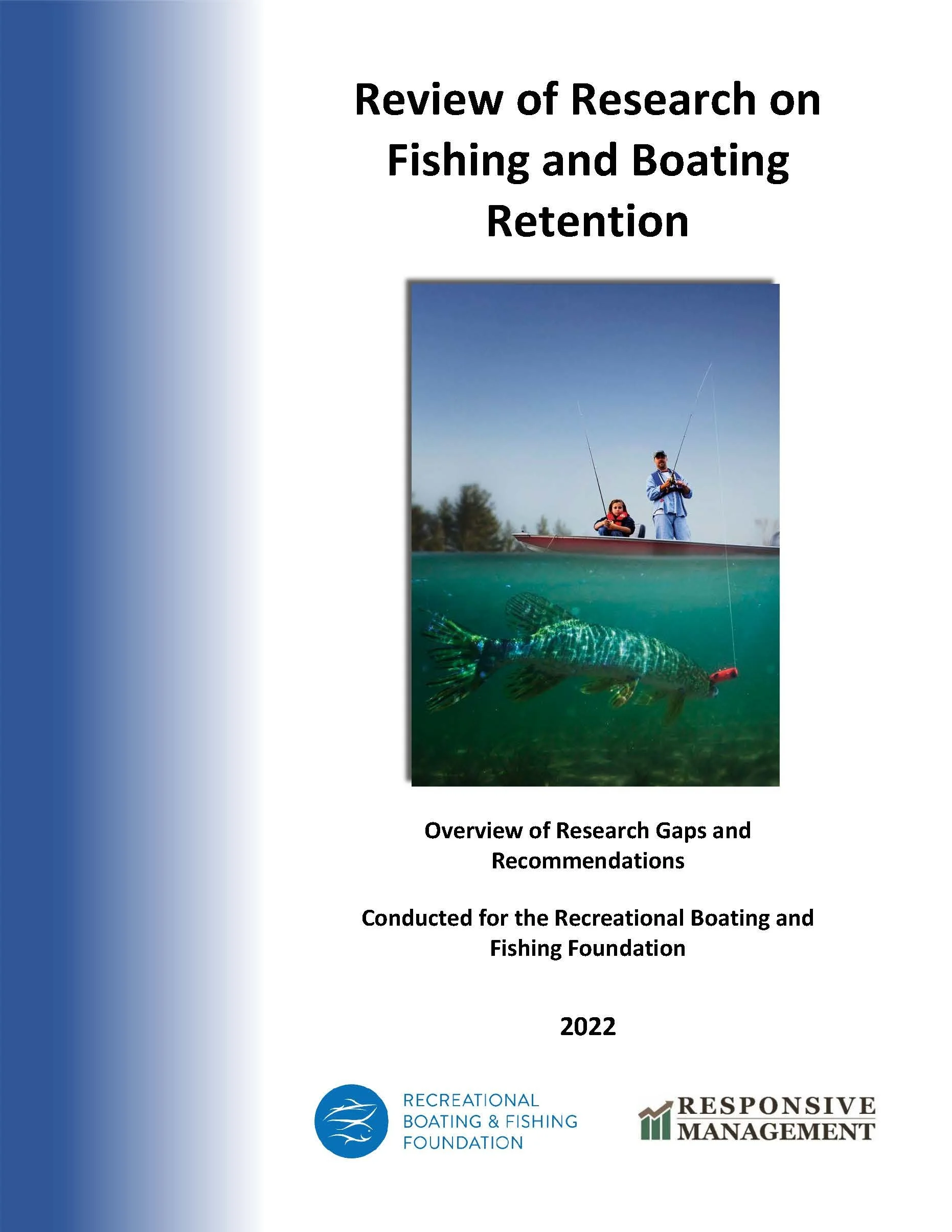
Review of Research on Fishing and Boating Retention: Report and Presentation
This research review was conducted for the Recreational Boating and Fishing Foundation (RBFF) to better understand the reasons for attrition in fishing and boating and to identify gaps in the research on angler and boater retention. The project entailed a review of existing research on fishing and boating participation and the factors associated with participant retention in both activities. In particular, the review focused on documented strategies for retaining current anglers and boaters and reducing churn in the two activities…
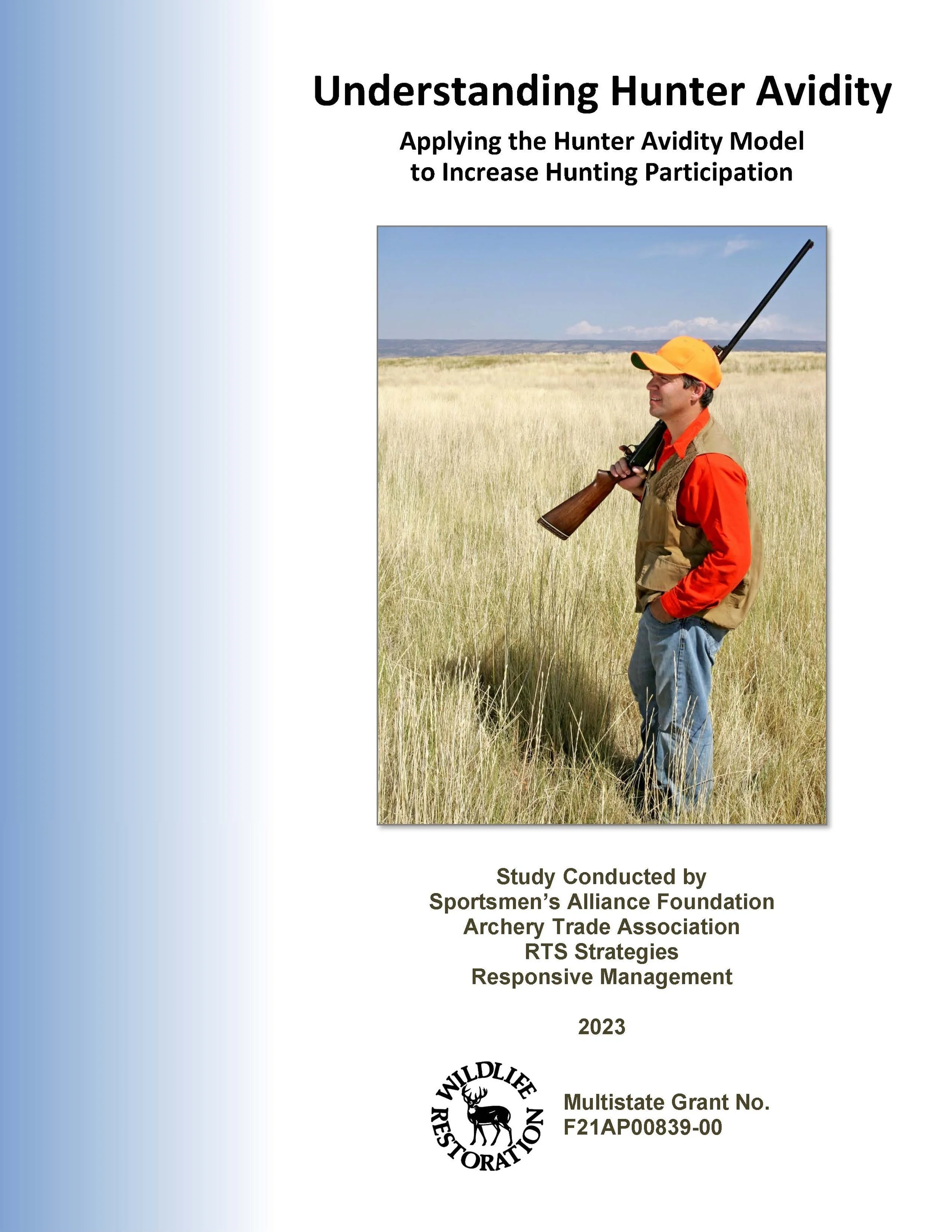
Understanding Hunter Avidity: Applying the Hunter Avidity Model to Increase Hunting Participation: Report and Presentation
Understanding hunter avidity is essential to impactful outreach, as not all licensed hunters participate at the same level: hunters vary substantially in terms of their license purchasing behavior, experience, interest, and overall connection to hunting (as well as their connection to conservation itself). While efforts to increase the number of licensed hunters are valuable and important, efforts to increase the avidity of existing participants is important, as well. Understanding what drives varying levels of hunting avidity will facilitate improved outreach and management strategies targeted to all segments of hunters…
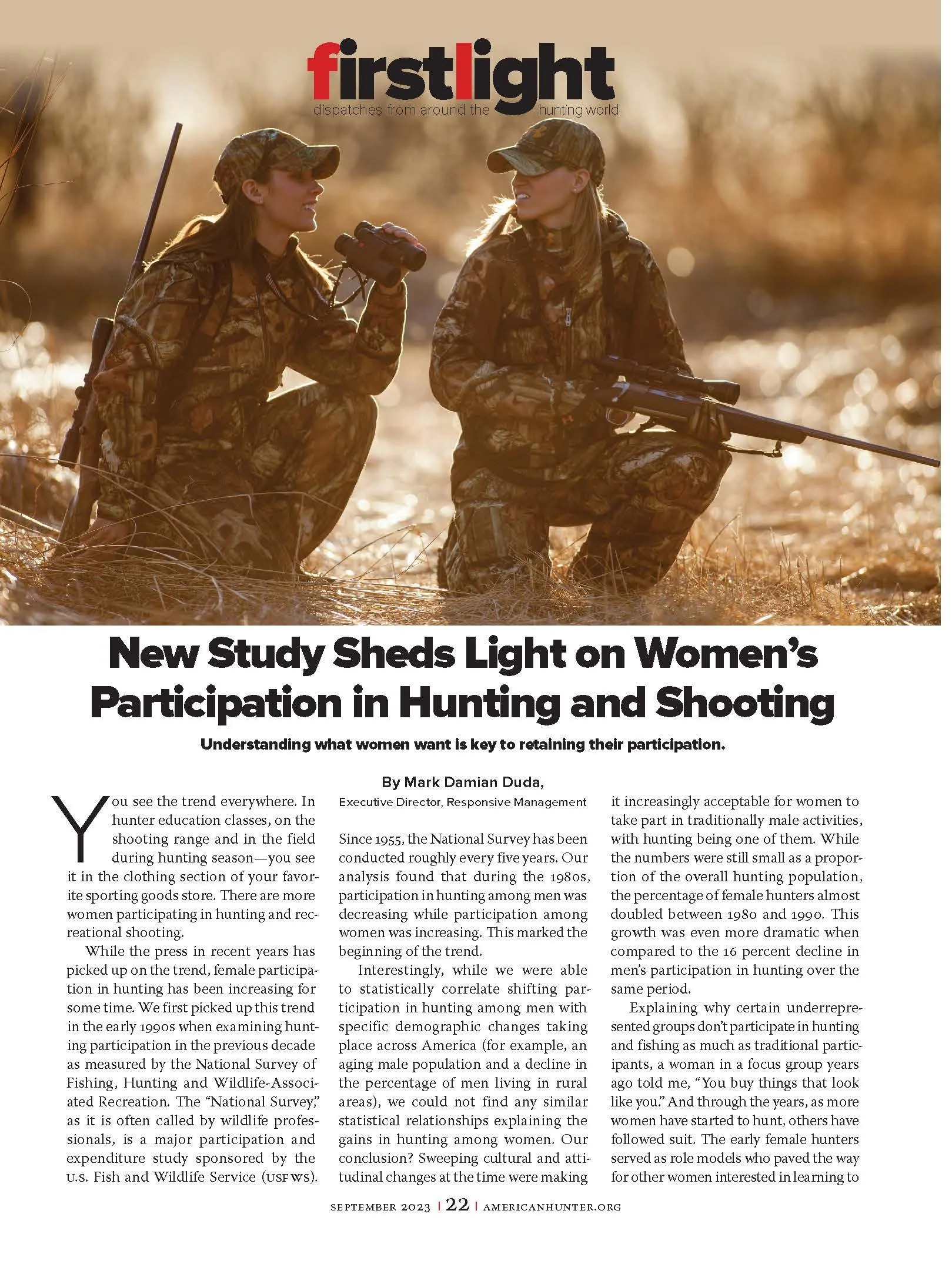
New Study Sheds Light on Women’s Participation in Hunting and Shooting
You see the trend everywhere. In hunter education classes, on the shooting range and in the field during hunting season—you see it in the clothing section of your favorite sporting goods store. There are more women participating in hunting and recreational shooting…